- ComplianceForge offers 4 main paths for CMMC / NIST 800-171 compliance. The right one depends on whether you only need CMMC or have broader compliance obligations.
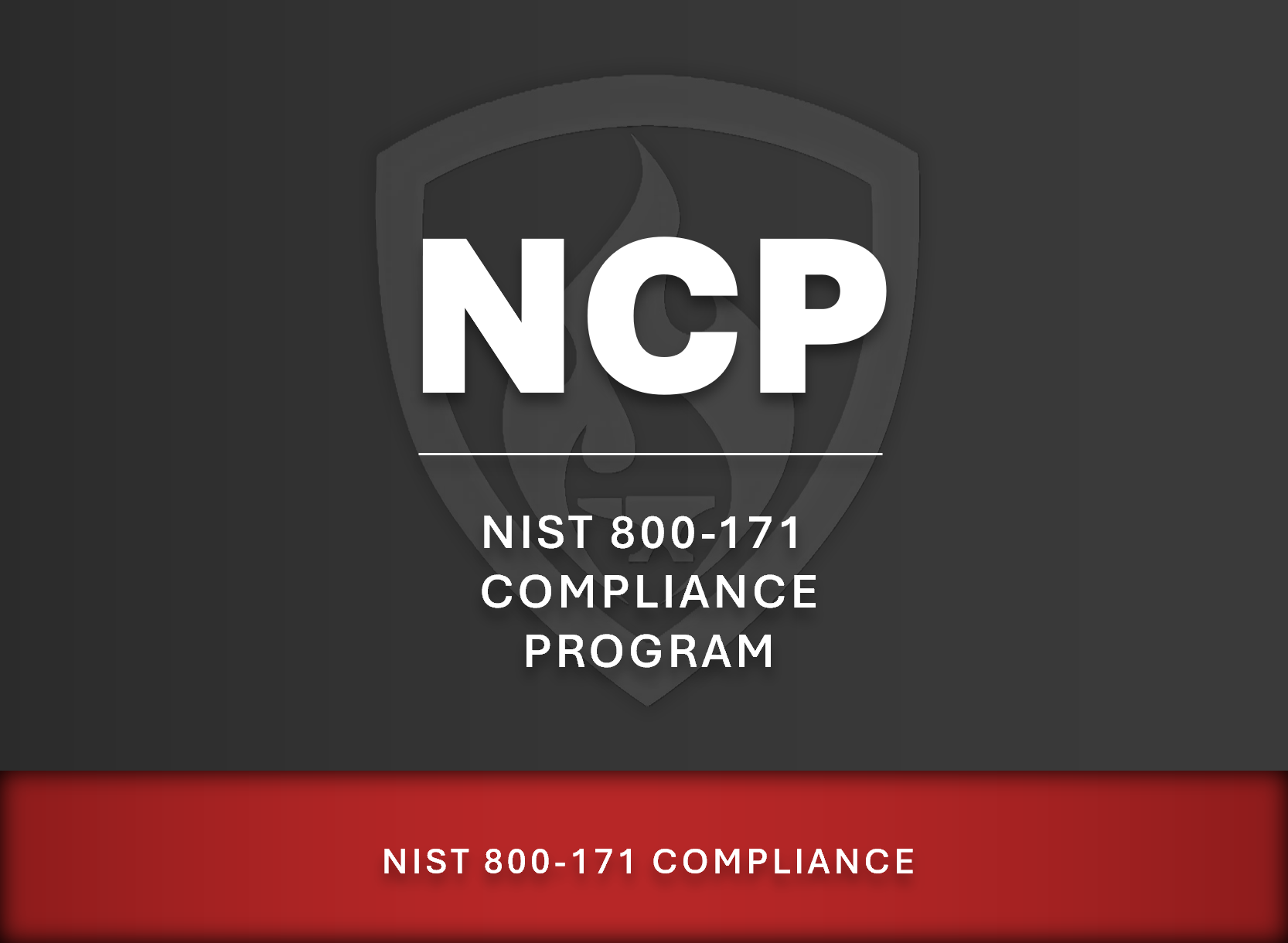
- The NCP (NIST 800-171 Compliance Program) is the easy button for organizations that only need CMMC Level 2 / NIST 800-171 compliance, the most cost-effective and efficient choice.
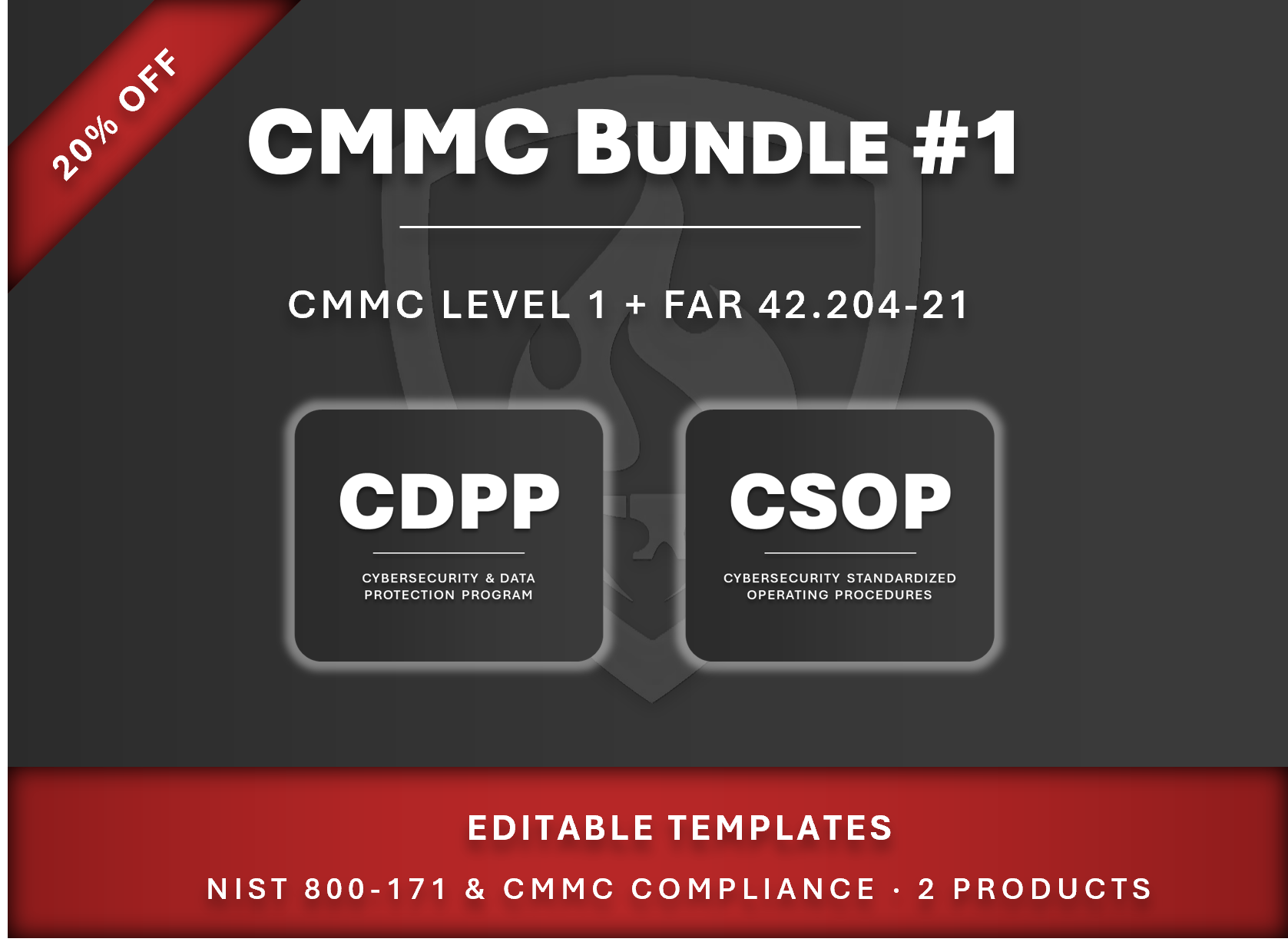
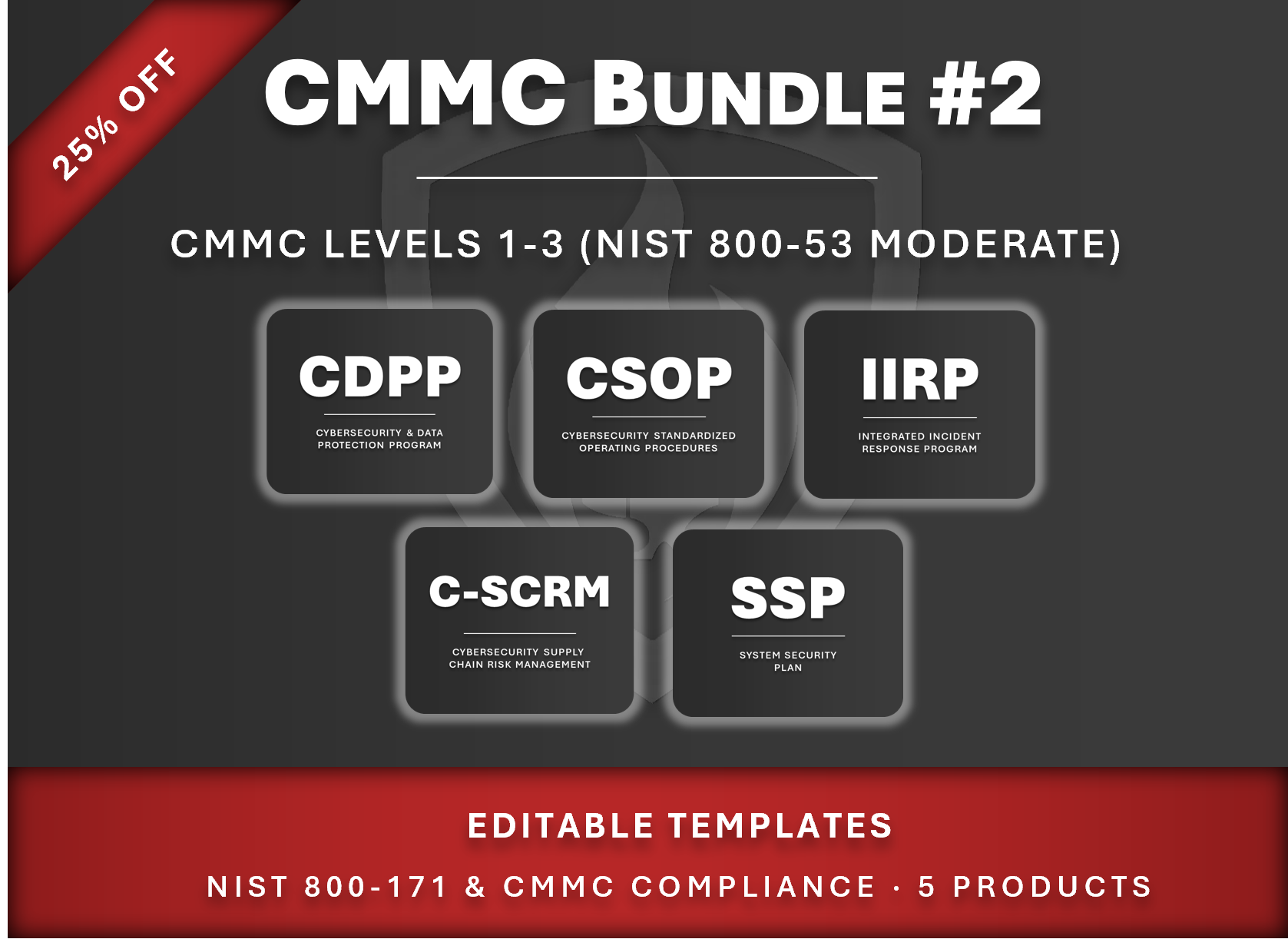
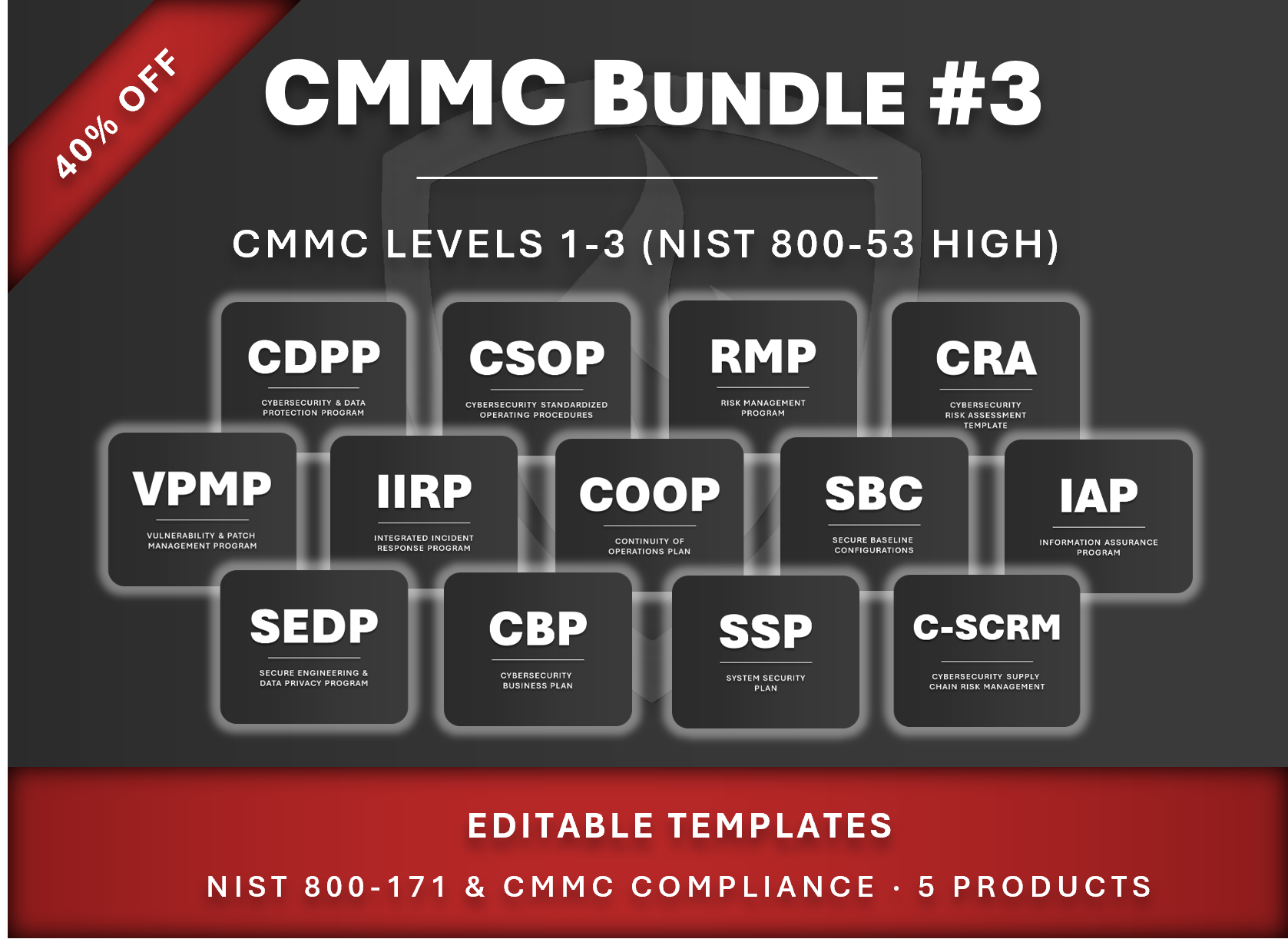
- If you need to speak NIST 800-53 for other contracts (FedRAMP, RMF, FISMA), consider Bundle #2 (moderate baseline) or Bundle #3 (high baseline).
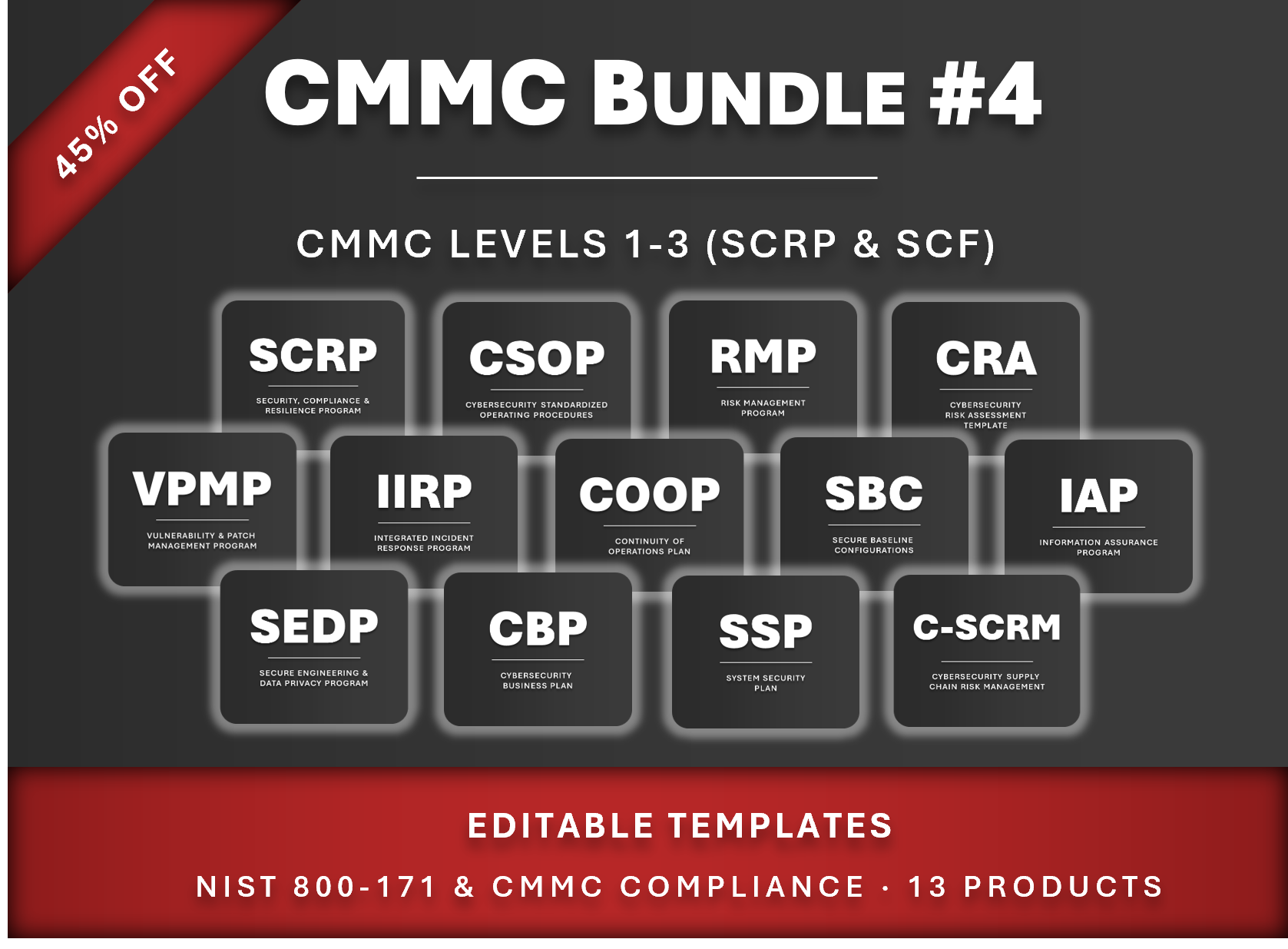
- For enterprise-class environments with multiple compliance needs, Bundle #4 leverages the SCF for 200+ framework coverage.
- ComplianceForge documentation is already updated for NIST 800-171 R3. NCP includes one year of updates.
Choose Your Compliance Path
Meticulous documentation is the unsung hero in ensuring your organization's compliance with NIST 800-171 and readiness for a CMMC assessment. ComplianceForge is here to help make NIST 800-171 compliance as easy and as affordable as possible. We specialize in compliance-related documentation solutions (e.g., policies, standards, procedures, SSP/POA&M templates, SCRM Plans, etc.). ComplianceForge offers quite a few options for CMMC / NIST 800-171 compliance efforts. It really depends on the focus of your compliance efforts, since the right solution depends on if you just need to comply with CMMC / NIST 800-171 or if you have other compliance obligations that you need to address:
CMMC 2.0 Implementation Timeline
The Department of Defense activated Phase 1 of CMMC 2.0 on November 10, 2025. Compliance is no longer voluntary and is now a mandatory requirement for winning and retaining DoD contracts.
For an average company, Level 2 implementation takes 12 to 24 months and C3PAO assessment backlogs are running anywhere from 2 to 10 months (depending on the reputational quality of the C3PAO). Organizations that haven't started are already behind the Phase 2 deadline. ComplianceForge's NCP can significantly accelerate the documentation portion of your compliance journey.
Planning For NIST 800-171 Rev 3
There are significant changes between NIST 800-171 R2 and R3. ComplianceForge documentation is already updated for Rev 3 to make your transition as smooth as possible.

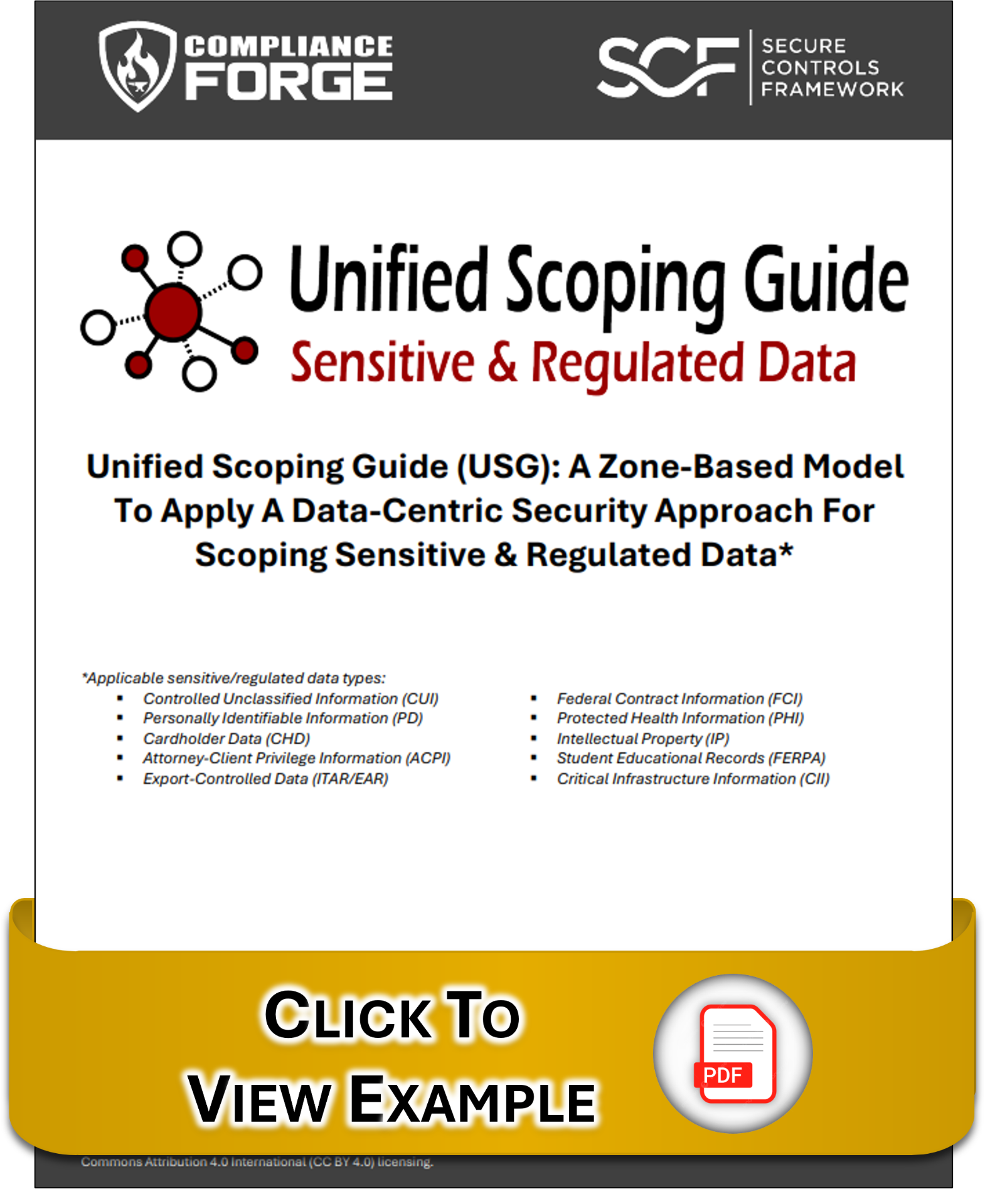
Scoping Guide For NIST 800-171 & CMMC
Arguably, determining what is and is not in scope for NIST 800-171 and CMMC is one of the most difficult steps in your compliance journey.
The Unified Scoping Guide (USG) is a free resource that is intended to help organizations define the scope of the sensitive data where it is stored, transmitted and/or processed. This guide will refer to both sensitive and regulated data as “sensitive data” to simplify the concept this document is focused on. This model categorizes system components according to several factors:
- Whether sensitive data is being stored, processed or transmitted;
- The functionality that the system component provides (e.g. access control, logging, antimalware, etc.); and
- The connectivity between the system and the sensitive data environment.
This is an evolution of the CUI Scoping Guide that ComplianceForge previously published. This new version is updated to reflect the DoD's CMMC 2.0 Level 2 Scoping Guidance that includes Controlled Unclassified Information (CUI) scoping considerations, but expands on the model to address a broader category of sensitive and regulated data. This document can be used to help companies define what is in scope to comply with NIST SP 800-171 and appropriately prepare for a CMMC assessment, since a significant step towards becoming NIST SP 800-171 compliant and being able to pass a CMMC assessment is understanding the scope of the CUI environment.
The Unified Scoping Guide (USG) is intended to help organizations define the scope of the sensitive data where it is stored, transmitted and/or processed. This guide will refer to both sensitive and regulated data as “sensitive data” to simplify the concept this document is focused on. This approach is applicable to the following sensitive data types:
- Controlled Unclassified Information (CUI)
- Personally Identifiable Information (PII)
- Cardholder Data (CHD)
- Attorney-Client Privilege Information (ACPI)
- Export-Controlled Data (ITAR / EAR)
- Federal Contract Information (FCI)
- Protected Health Information (PHI)
- Intellectual Property (IP)
- Student Educational Records (FERPA)
- Critical Infrastructure Information (CII)