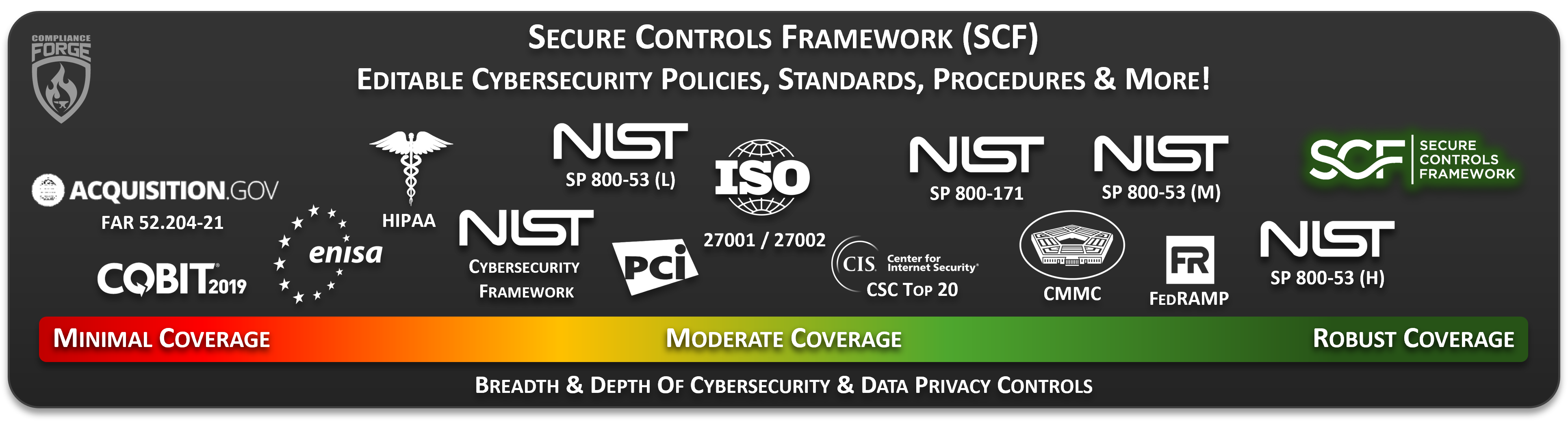
- The Secure Controls Framework (SCF) is the world's most comprehensive free cybersecurity metaframework, a Rosetta Stone mapping controls across 200 plus frameworks.
- ComplianceForge is an authorized SCF Licensed Content Provider (LCP). Our documentation is officially aligned and authorized by the SCF.
- SCF-based documentation addresses NIST 800-171, CMMC, ISO 27001, NIST CSF, HIPAA, PCI DSS, GDPR, SOC 2, and 200 plus more simultaneously.
- This write-once, comply-many approach eliminates redundant documentation across multiple compliance requirements.
- Products include policies, standards, control objectives, guidelines, controls, metrics and procedures. All editable and delivered the same day.
Why Choose The SCF?
The SCF is a free, open-source metaframework that serves as the foundation for all ComplianceForge documentation. It maps controls across hundreds of frameworks simultaneously, so your documentation addresses multiple compliance requirements at once. This eliminates redundancy and reduces total cost of compliance.
The “sweet spot” for the SCF is medium to large organizations, but it has been successfully used by small organizations. Any organization with complex compliance requirements can benefit from using the SCF. We are just trying to make it easier for cybersecurity practitioners to do their jobs, since we all benefit from organizations having better security practices in place.
SCF is used by organizations to:
- Align cybersecurity and data protection controls with an expansive catalog of laws, regulations and frameworks;
- Provide a streamlined set of actionable security controls to address its specific compliance, security and resiliency needs; and
- Support risk management and continuous monitoring programs.
The SCF is much more than just a cybersecurity control set, since the SCF has:
- Control weighting to help understand risk, since not all controls are the same;
- A built-in risk catalog and threat catalog, where those risks and threats are mapped to SCF controls;
- A capability maturity model to help define what right looks like for your organization;
- A risk management model to enable holistic risk management practices at the control level;
- An Evidence Request List (ERL) to define expected assessment artifacts that would be reasonably expected to satisfy controls; and
- Assessment Objectives (AOs) to help provide objective criteria that can be used to assess controls.
ComplianceForge Is A SCF Licensed Content Provider (LCP)
ComplianceForge is able to sell cybersecurity and data protection policies, standards and procedures based on the Secure Controls Framework (SCF) as a SCF Licensed Content Provider (LCP). The benefit ComplianceForge brings to operationalizing the SCF is:
- Decreased cost; and
- Increased speed of adoption.
ComplianceForge's SCF-based policies, standards and procedures can save an organization a significant amount of money from the labor-related costs to research, write and refine cybersecurity documentation. ComplianceForge's SCF-based documentation can also be obtained the same day you purchase it, so the time savings is immense.
Addresses Tactical, Operational & Strategic Security & Privacy Needs
The SCF is designed to empower organizations to design, implement and manage both cybersecurity and privacy principles to address strategic, operational and tactical guidance. It is far more than building for compliance - we know that if you build-in security and privacy principles, complying with statutory, regulatory and contractual obligations will come naturally. Controls are often a missing piece in a company's cybersecurity program or controls exist in "compliance islands" where the controls are only applicable to certain compliance requirements, such as SOX, PCI DSS or NIST 800-171. That might be easy from a compliance perspective, but it is not good security. The SCF is designed to help companies be both secure and compliant.

If you are not familiar with the SCF, it was developed with the ambitious goal of providing a comprehensive catalog of cybersecurity and privacy control guidance to cover the strategic, operational and tactical needs of organizations, regardless of its size, industry or country of origin. ComplianceForge is proud to be one of the founding supporters of the SCF. By using the SCF, your IT, cybersecurity, legal and project teams can speak the same language about controls and requirement expectations!
The Secure Controls Framework (SCF) is an open source project that provides free cybersecurity and privacy controls for business. The SCF focuses on internal controls, which are the cybersecurity and privacy-related policies, standards, procedures and other processes that are designed to provide reasonable assurance that business objectives will be achieved and undesired events will be prevented, detected and corrected.
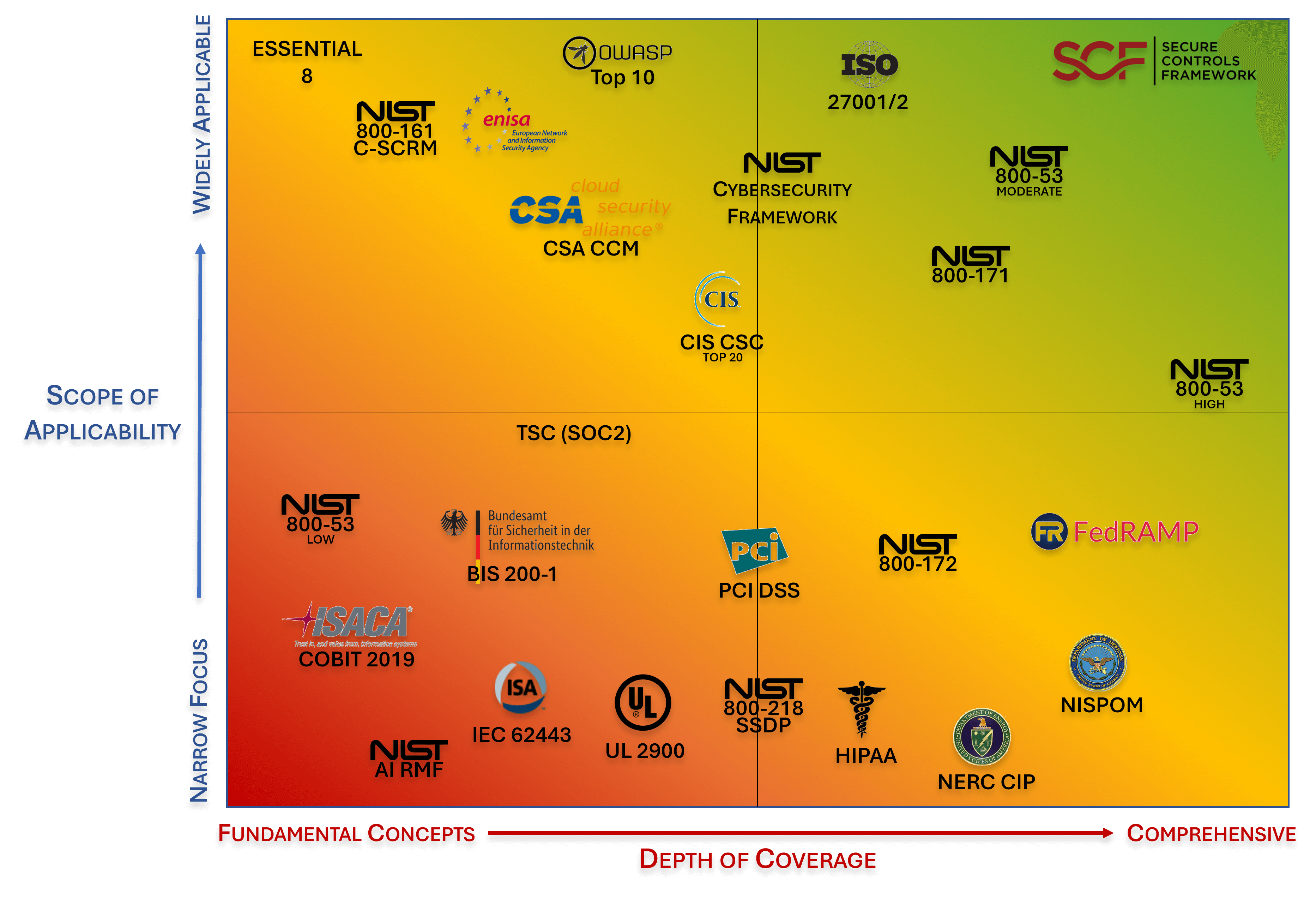
Where the SCF is truly unique is its industry-agnostic focus on both security and privacy controls that creates a hybrid that makes up for shortcomings by leading frameworks:
Our Solution Is Designed To Be Scalable, Comprehensive & Efficient
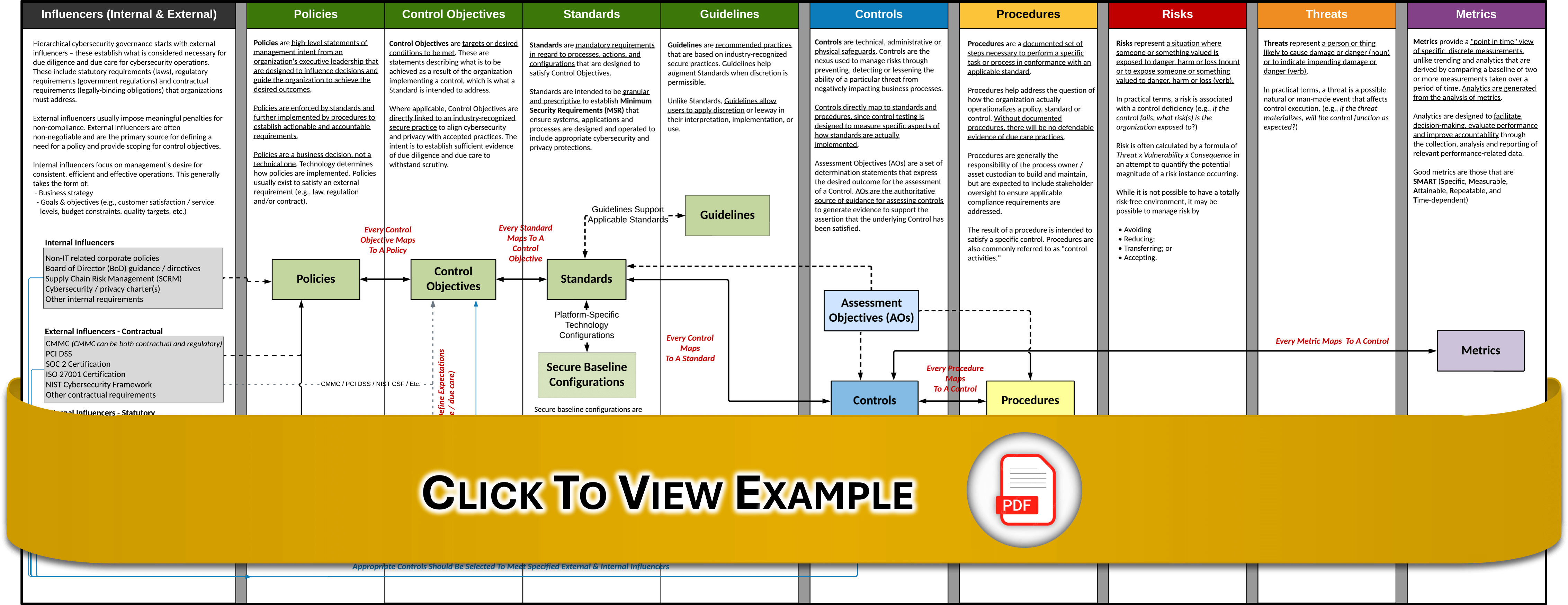
We leverage the Hierarchical Cybersecurity Governance Framework to develop the necessary documentation components that are key to being able to demonstrate evidence of due diligence and due care for our clients. This methodology towards documentation acknowledges the interconnectivity that exists between policies, control objectives, standards, guidelines, controls, risks, procedures & metrics. This documentation model works well with ISO 27002, NIST CSF, NIST 800-171, NIST 800-53, FedRAMP, CIS CSC Top 20, PCI DSS, Secure Controls Framework (SCF) and other control frameworks.
Essentially, ComplianceForge simplified the concept of the hierarchical nature of cybersecurity and privacy documentation that you can see in the downloadable diagram shown below. This helps demonstrate the unique nature of these components, as well as the dependencies that exist. You can download the example to better understand how we write our documentation that links policies all the way down to metrics. This is a great solution for any organization currently using or migrating to a Governance, Risk & Compliance (GRC) or Integrated Risk Management (IRM) platform to help automate their governance practices.
Data-Centric Approach To Governing People, Processes, Technologies, Data & Facilities
It is important to understand that controls exist to protect an organization’s data. In support of this concept of being data-centric, look at the example of asset management requirements in terms of cybersecurity and privacy – those administrative, technical and physical security controls do not primarily exist to protect the inherent value of the asset, but the data it contains, because assets are merely data containers. Assets, such as laptops, servers and network infrastructure are commodities that can be easily replaced, but the data cannot. This mindset of being data-centric is crucial to understand when developing, implementing and governing a cybersecurity and privacy program.
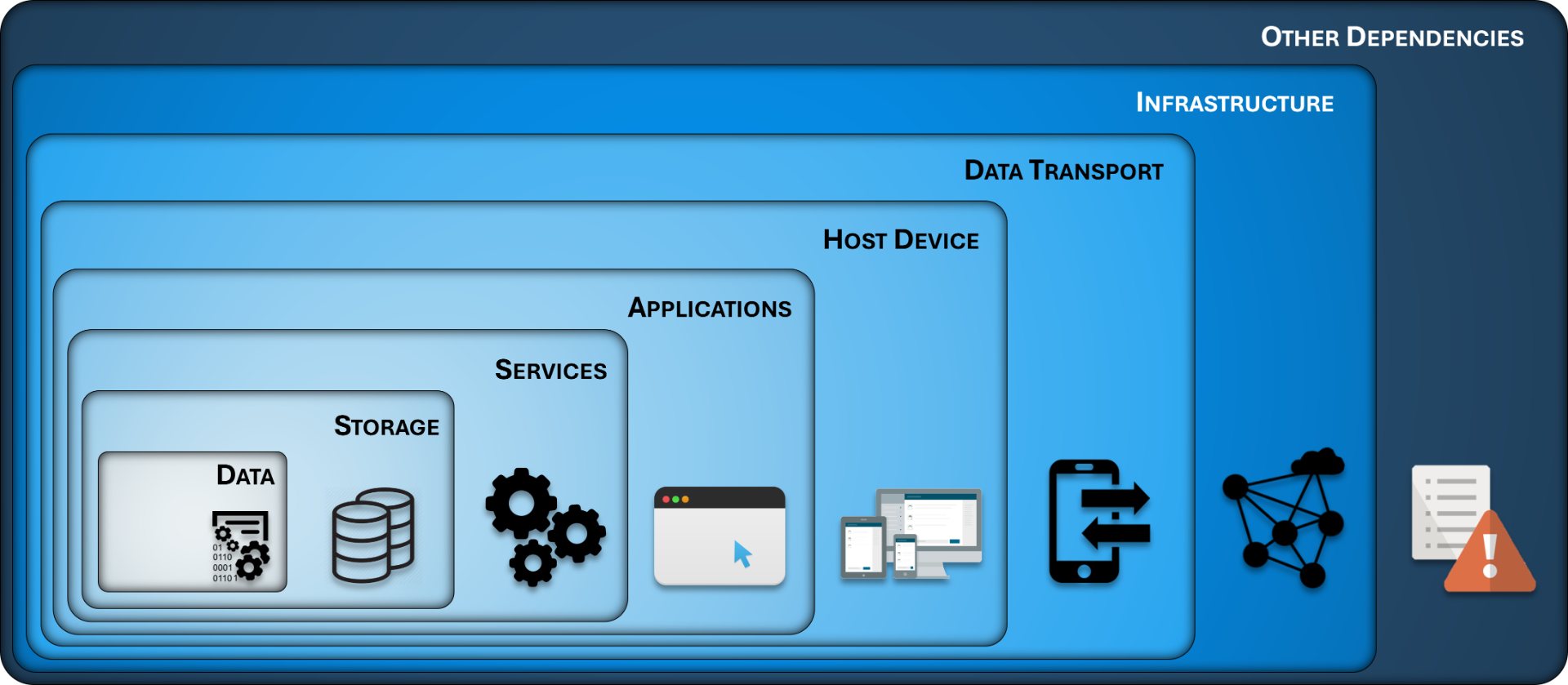
While most organizations do not have a Data Centric Architecture (DCA), based on technical debt and legacy processes, it is possible to implement Data Centric Security (DCS) that can put the organization on a path to building a DCA. This all comes down to designing, implementing and managing the appropriate cybersecurity and privacy controls that govern people, processes and technology. This is where the SCRP and SCF can be invaluable.

While most organizations do not have a Data Centric Architecture (DCA), based on technical debt and legacy processes, it is possible to implement Data Centric Security (DCS) that can put the organization on a path to building a DCA. This all comes down to designing, implementing and managing the appropriate cybersecurity and privacy controls that govern people, processes and technology. This is where the SCRP and SCF can be invaluable.
- Statutory Obligations - These are US state, federal and international laws
- Regulatory Obligations - These are requirements from regulatory bodies or governmental agencies
- Contractual Obligations - These are requirements that are stipulated in contracts, vendor agreements, etc.
- Industry-Recognized Leading Practices - These are requirements that are based on an organization’s specific industry.
For years, the "CIA Triad" defined the pillars of cybersecurity. Things have changed and it is now the "CIAS Quadrant" that governs the reasons for implementing cybersecurity and privacy controls. These four pillars are Confidentiality, Integrity, Availability and Safety. The SCRP & SCF can help you implement these four principles of cybersecurity and privacy in your organization!
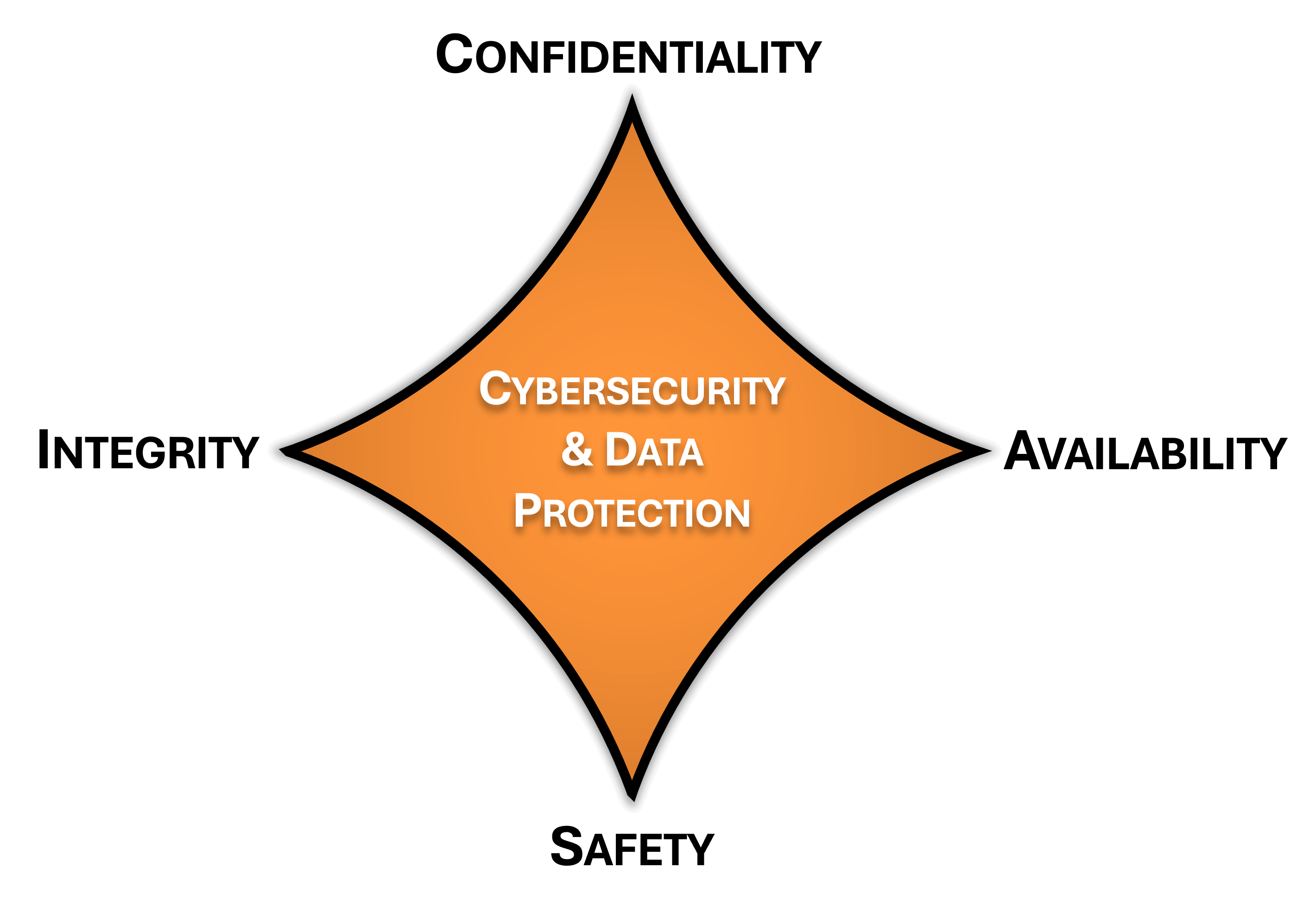
- CONFIDENTIALITY - Confidentiality addresses preserving restrictions on information access and disclosure so that access is limited to only authorized users and services.
- INTEGRITY - Integrity addresses the concern that sensitive data has not been modified or deleted in an unauthorized and undetected manner.
- AVAILABILITY - Availability addresses ensuring timely and reliable access to and use of information.
- SAFETY - Safety addresses reducing risk associated with embedded technologies that could fail or be manipulated by nefarious actors.
Frequently-Asked Questions
Here are answers to common questions about aligning with the Secure Controls Framework: