- Cybersecurity risk management is required by nearly every framework and is a common driver of audit findings when absent or inadequate.
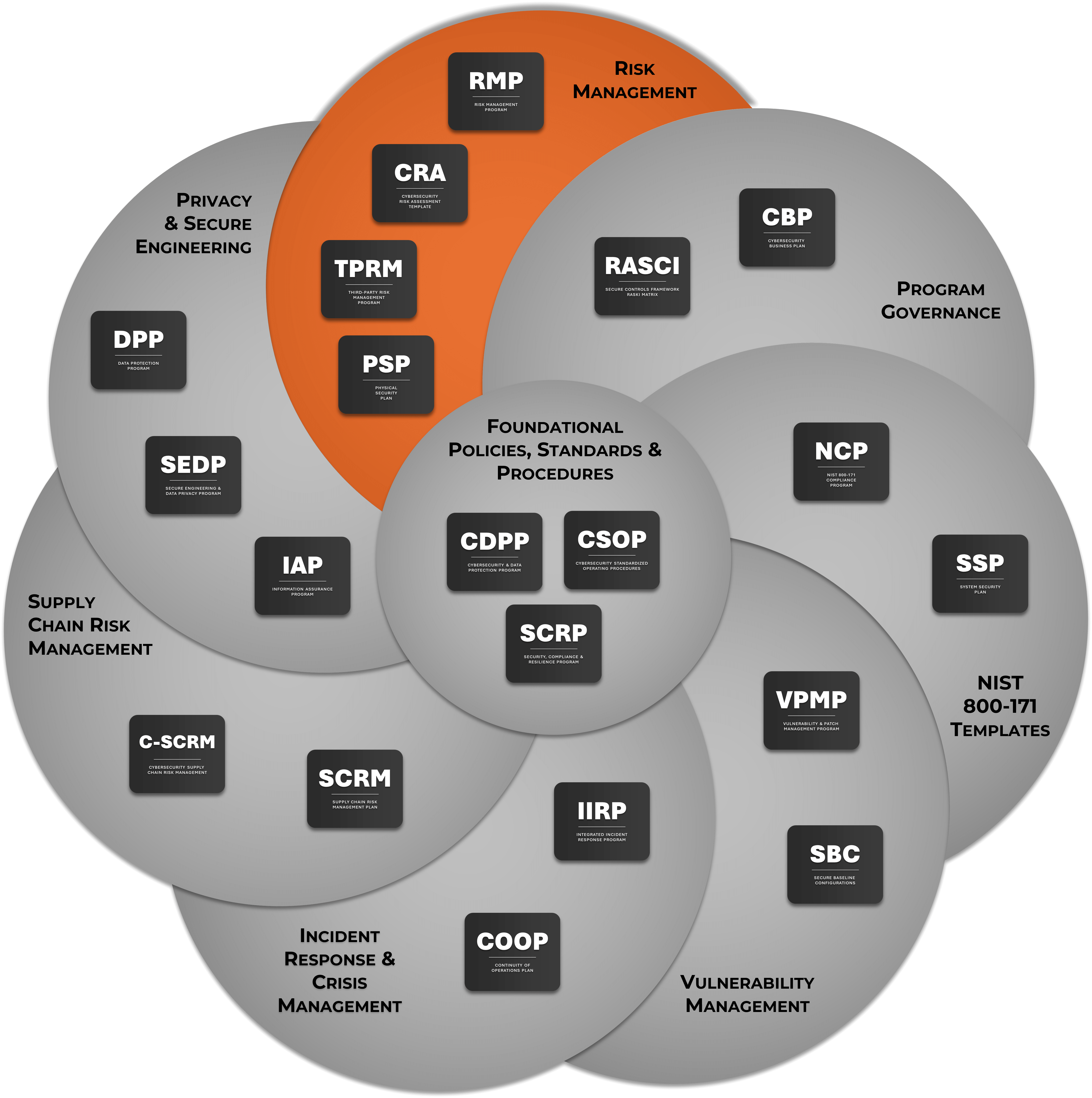
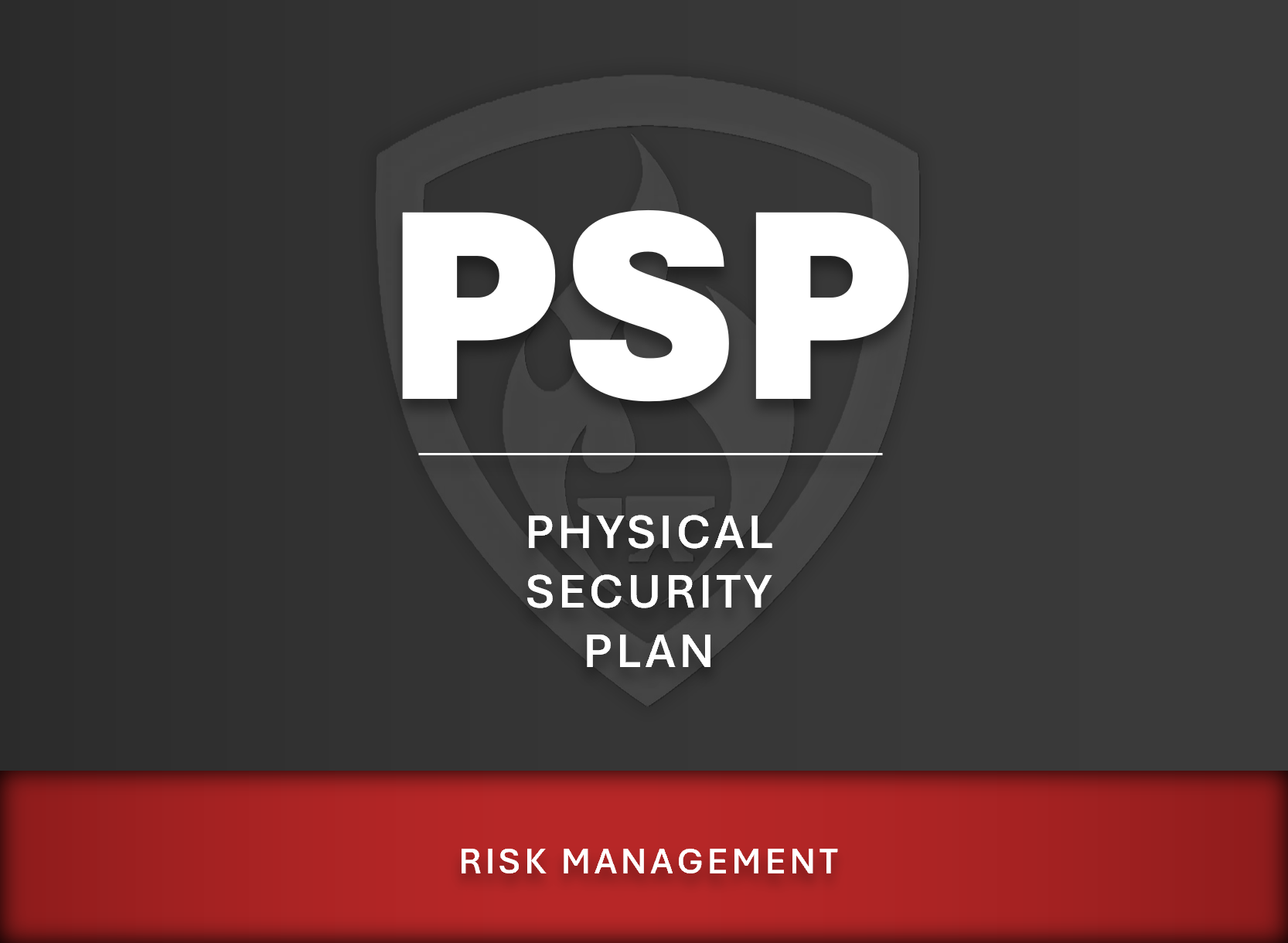
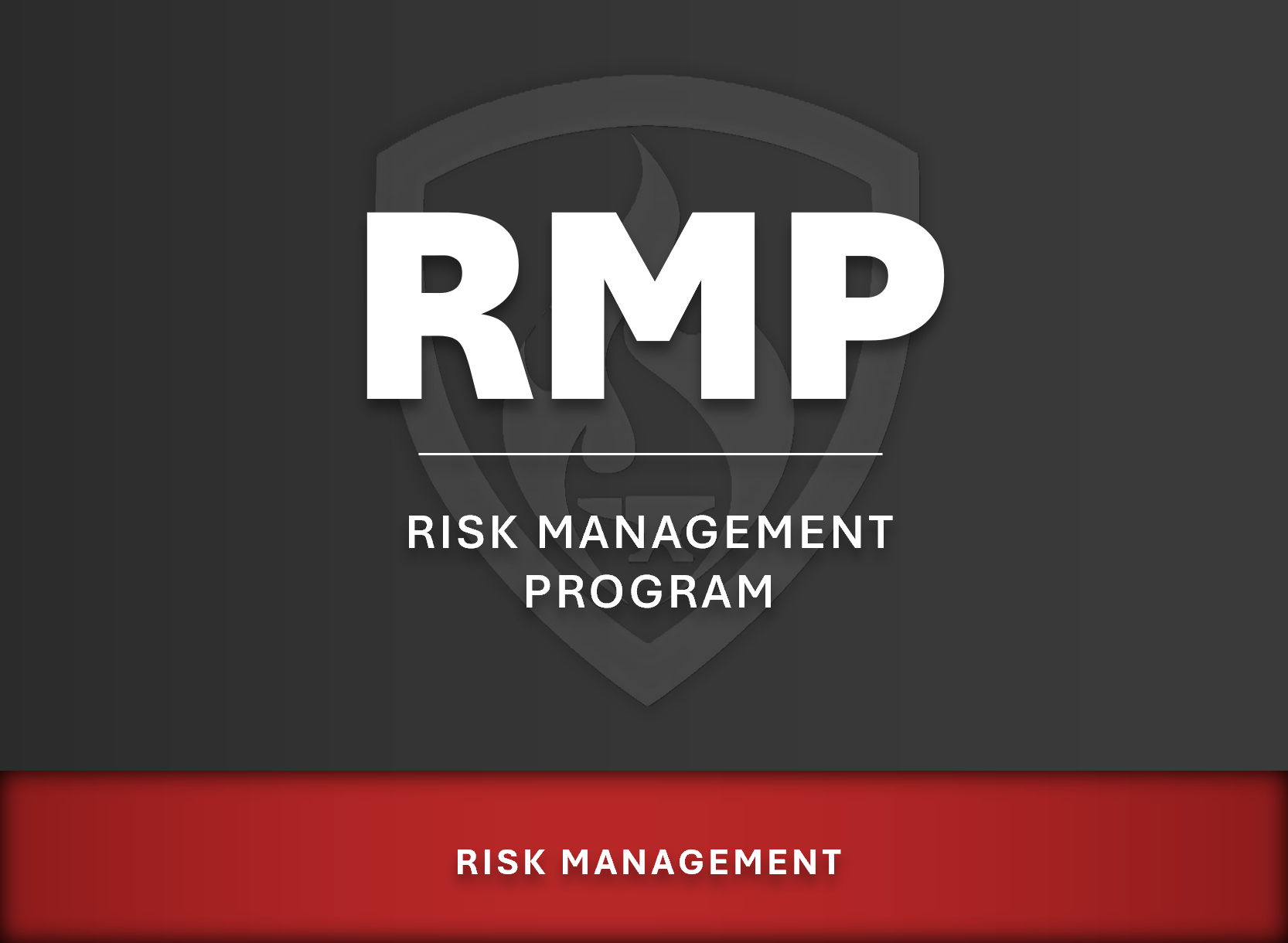
- Five focused products cover different aspects of cybersecurity risk: RMP (risk management program), TPRM (third-party risk), CRA (risk assessment template), PSP (physical security), and CBP (cybersecurity business planning).
- Products can be purchased individually or as part of larger bundles such as the PLD Bundle (10 programs per framework).
- All products align with NIST 800-53, NIST CSF, ISO 27002, and the SCF, making them compatible with any underlying framework.
- Risk management documentation is required for SEC cybersecurity rule compliance, cyber insurance underwriting, and most customer due-diligence questionnaires.
Can You Honestly Answer HOW Risk Is Implemented At Your Organization?
When you "peel back the onion" and prepare for an audit, there is a need to address "the how" for certain topics, such as risk management. While policies and standards are designed to describe WHY something is required and WHAT needs to be done, many companies fail to create documentation to address HOW the policies and standards are actually implemented. We did the heavy lifting and created several program-level documents to address this need and the Risk Management Program (RMP) is one of those products.
Since we did the heavy lifting, risk management does not need to be hard. We provide four (4) products that can help your organization grow and evolve your risk management processes based on industry-recognized best practices.
Regulatory Drivers For Risk Documentation
Formal risk management documentation is required or strongly expected by multiple regulatory regimes: SEC cybersecurity rule (public companies), NY DFS 23 NYCRR 500 (NY financial services), HIPAA Security Rule risk analysis (healthcare), PCI DSS risk assessments (payment processing), and CMMC Level 2/3 risk documentation (DIB).
Organizations without documented risk management face increased audit findings, higher cyber insurance premiums, and elevated regulatory scrutiny. The risk products in this category address these expectations directly.
Available Risk Management Products
ComplianceForge currently offers four (4) products that are specifically designed to assist companies with cybersecurity risk management:
Comprehensive Coverage
Give us a call or send us an email - we are happy to help you find the right solution for your needs!
There are a lot of choices to pick from when selecting a cybersecurity framework. If you are not sure what works best for you, you can read more here. The most common frameworks are NIST 800-53, ISO 27002, the NIST Cybersecurity Framework and the Secure Controls Framework (SCF). To do NIST CSF, ISO 27002 or NIST SP 800-53 properly, it takes more than just a set of policies and standards. While those are foundational to building a cybersecurity program aligned with that framework, there is a need for program-specific guidance that helps operationalize those policies and standards (e.g., risk management program, third-party management, vulnerability management, etc.). It is important to understand what is required to comply with NIST CSF vs ISO 27002 vs NIST SP 800-53, since there are significantly different levels of expectation.
It is important to understand that picking a cybersecurity framework is more of a business decision and less of a technical decision. Realistically, the process of selecting a cybersecurity framework must be driven by a fundamental understanding of what your organization needs to comply with from a statutory, regulatory and contractual perspective, since that understanding establishes the minimum set of requirements necessary to:
- Not be considered negligent with reasonable expectations for cybersecurity & data protection;
- Comply with applicable laws, regulations and contractual obligations; and
- Implement the proper controls to secure your systems, applications and processes from reasonable threats, based on your specific business case and industry practices.
This understanding makes it easy to determine where on the "framework spectrum" (shown above) you need to focus for selecting a set of cybersecurity principles to follow. This process generally leads to selecting the NIST Cybersecurity Framework, ISO 27002, NIST SP 800-53 or SCF as a starting point.
Frequently-Asked Questions
Here are answers to common questions about risk management documentation: